
Guide
Why Gamers Are Still Skeptical of Hytale After Years of Delays
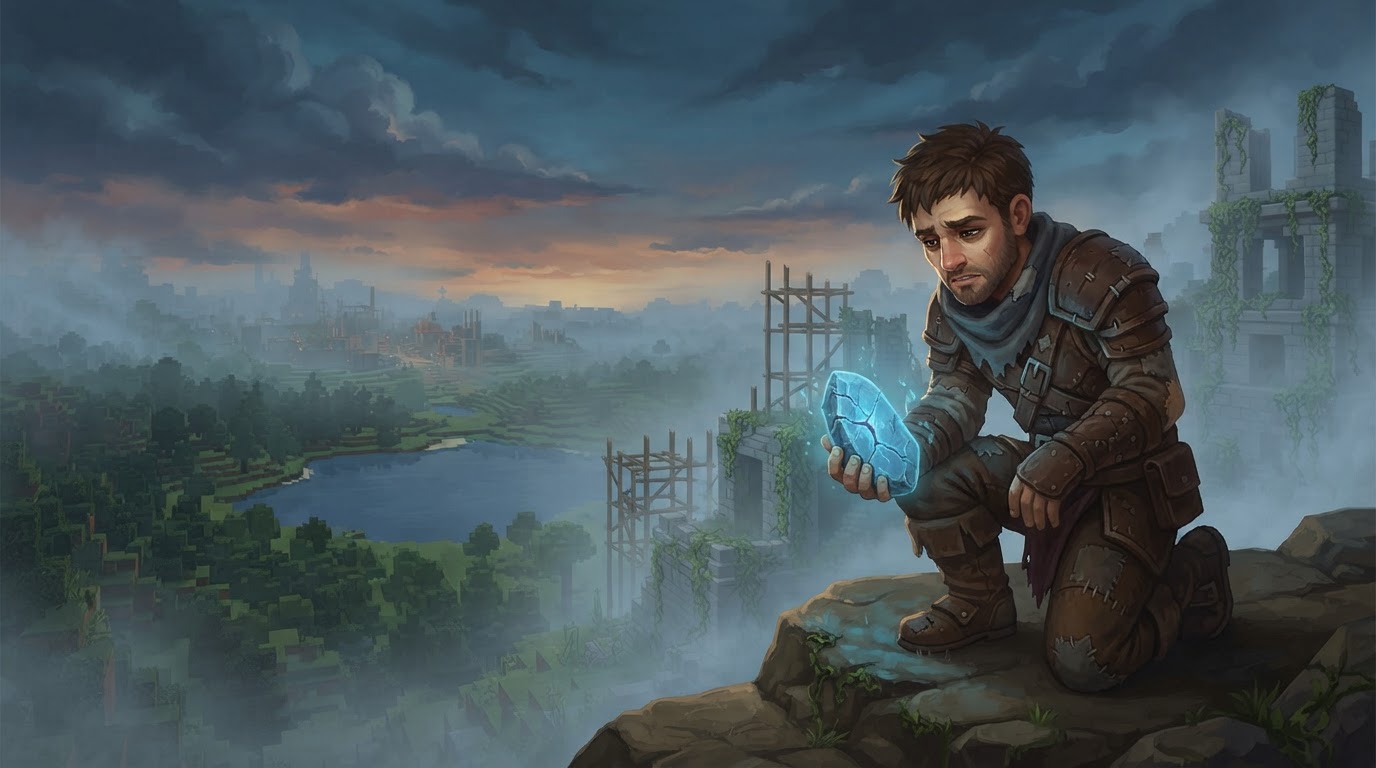
Gamers remain skeptical of Hytale primarily due to its tumultuous, decade-long development cycle, which included multiple major delays, a complete engine overhaul, a corporate acquisition, an official cancellation, and a subsequent independent revival, all before its eventual early access release.
The journey of Hytale from its explosive 2018 announcement to its current early access state is a saga filled with unfulfilled promises, ambitious pivots, and periods of silence that have profoundly shaped community perception. What began as a beacon of innovation in the sandbox genre has, for many, become a cautionary tale of overreach and the perils of prolonged development.
The Long and Winding Road: A Decade of Development Drama
Hytale’s initial reveal trailer in 2018 set the internet ablaze, promising a rich, block-based adventure with deep RPG mechanics, robust modding tools, and a vibrant world. This immediate and overwhelming enthusiasm created an incredibly high bar for the game, a bar that its subsequent development history struggled to meet.
Excessive Development Time and Repeated Delays
Development for Hytale officially began in 2015. After the 2018 trailer, the community eagerly anticipated a release, with initial hopes pointing towards 2021. However, this date, like many others, came and went. The game faced continuous postponements, pushing the expected launch further and further into the future. This extended timeline, stretching over a decade from its inception to its early access debut, led to significant community fatigue. Many players grew weary of waiting, questioning whether the game would ever see the light of day, let alone live up to its initial promise. Each delay chipped away at the goodwill and fervent anticipation that once defined the Hytale community.
Technical Overhauls and Engine Changes
A major and often cited reason for the extensive delays was the decision to undertake a massive technical overhaul. Initially built using a combination of C# and Java, the development team made the pivotal choice in 2022 to migrate the entire game to a new C++ engine. This wasn’t a minor tweak; it necessitated rebuilding core systems from scratch. Everything from camera controls and player movement to combat mechanics, crafting systems, and building functionalities had to be re-engineered. This monumental task significantly extended development time, presented considerable technical challenges, and ultimately failed to deliver a playable state as intended under its previous management.
Scope Creep and Shifting Vision
The project’s ambition grew substantially from its original concept. What began as a PC-focused title evolved into an envisioned cross-platform, live-service game. The feature set expanded to include an ever-growing array of elements: intricate block-building, deep RPG-style combat, extensive questlines, and comprehensive modding tools. This expanding scope, often referred to as ‘scope creep,’ made it incredibly difficult to finalize the game. Frequent design changes and the continuous addition of new functionalities prevented the team from ever reaching a definitive ‘finished’ state, contributing heavily to the perpetual delays.
The Riot Games Era: Acquisition, Ambition, and Annihilation
The development journey took a dramatic turn with the involvement of a major industry player.
Riot Games Acquisition and Subsequent Cancellation
In 2020, Riot Games, the developer behind League of Legends, acquired Hypixel Studios. This move was initially perceived as a positive development, promising financial stability, increased resources, and the backing of a major publisher. However, this period also saw an increase in the game’s technical ambitions, potentially fueled by Riot’s resources and desire for a more robust, long-term platform. Despite the investment, the project continued to struggle. On June 23, 2025, Riot Games made the shocking announcement: Hytale was canceled, and Hypixel Studios would be winding down. The reasons cited were the overly ambitious scope, unresolved technical challenges stemming from the engine migration, and financial unsustainability. This cancellation was a devastating blow to the community and a stark confirmation of many players’ growing fears.
Communication Gaps and Lack of Updates
During the long development period, particularly under Riot’s ownership, there were instances of sparse updates and prolonged silence from the development team. While understandable during intense periods of work, these communication gaps fueled community frustration, speculation, and a pervasive sense of abandonment. Players felt left in the dark, wondering about the game’s progress and future, which further eroded trust and contributed to skepticism.
Developer Burnout
The demanding nature of the project, coupled with frequent technical and design changes and the extended development timeline, reportedly led to burnout among the development team. The constant pressure to deliver on immense hype while grappling with fundamental technical challenges took a significant toll, impacting morale and productivity.
Rebirth and Reality: The Post-Cancellation Landscape
Just when all hope seemed lost, Hytale experienced an unexpected revival.
The Repurchase and Early Access Release
In a dramatic twist, Hytale was repurchased in November 2025 by its original founder, Simon Collins-Laflamme. Hypixel Studios became independent once again, committing to the original 2018 vision of the game. This led to a rapid push towards a playable state, and on January 13, 2026, Hytale was released into early access for Windows, macOS, and Linux. This early access version was notably built upon a four-year-old build of the game, which had undergone extensive bug fixing and merging to make it playable.
Rebuilding Core Systems and Feature Integration Challenges
The engine change necessitated a complete overhaul of game mechanics, from fundamental player interactions like camera and movement to more complex systems like combat, crafting, and building. This raised concerns about the final game’s consistency and whether the rebuilt systems would retain the original vision’s charm. The expanding scope also meant continuously adding or reworking features like character customization, combat systems, and AI, making it difficult to reach a cohesive and stable product ready for release, even in its early access form.
Persistent Doubts: Why Skepticism Lingers After Early Access
Despite its early access release, new forms of skepticism have emerged, reflecting the game’s challenging past and uncertain future.
“Bare Bones” Content
Some players feel that the early access version, despite a decade of development, still feels “bare bones” compared to the initial promises or the depth offered by heavily modded alternatives in the genre. For these players, the current release functions more as a “showcase of assets” rather than a complete, engaging experience. The long wait created expectations for a fully fleshed-out world, and the early access version, by its nature, falls short of that.
Long-Term Viability and Content Pace
Concerns exist regarding the game’s long-term development trajectory, especially now that it operates without major publisher backing. While the original founder has committed to personally funding the project for a significant period, some players question if the current update pace will be sufficient to keep the community engaged. There are also doubts about whether the game can attract a broad audience without major marketing campaigns or a strong presence on popular platforms, which a large publisher would typically provide.
Living Up to Immense Hype
The years of anticipation have set an exceptionally high bar for Hytale. The game became almost legendary in its absence, fueling imaginations and expectations to an almost impossible degree. Even with ongoing updates and a dedicated team, there’s skepticism about whether Hytale can ultimately deliver on the revolutionary potential envisioned by its early fans. The shadow of its past delays and cancellations makes many players wary of investing too much hope in its future.
Lingering Uncertainties
The exact financial terms of the repurchase by Simon Collins-Laflamme and the long-term funding plan beyond the initial personal commitment are not fully public. Furthermore, the full roadmap for future content and the timeline for a complete, official release remain under development. This lack of clear, long-term visibility leaves some players uncertain about how long it will take for the game to feel “complete” and whether it will ultimately achieve its ambitious goals.
Lessons Learned: Navigating Ambitious Game Development
Hytale’s journey offers valuable insights for both developers and players in the gaming ecosystem.
For Developers
Clearly defining and maintaining a manageable scope is crucial for ambitious projects to avoid feature creep and ensure timely delivery. Transparent and consistent communication with the community can help manage expectations and maintain engagement during long development cycles. Prioritizing a stable, core gameplay loop before expanding features can prevent the need for costly and time-consuming overhauls.
For Players
It’s advisable to temper expectations for highly anticipated games with long development histories. Early access titles are inherently unfinished and will contain bugs and missing features; patience is often required for the game to mature into its full potential. Understanding the complexities of game development can help foster a more realistic perspective.
Common Mistakes Made
- Over-promising Timelines: Announcing early release dates without a robust development roadmap or underestimating technical hurdles created unrealistic expectations.
- Insufficient Transparency: Extended periods of silence or vague updates from the development team during critical phases led to rampant speculation and eroded community trust.
- Scope Expansion Driven by Hype: The overwhelming positive reception of the 2018 trailer may have encouraged the team to expand the game’s scope excessively, leading to feature creep and fundamental engine changes rather than focusing on releasing a solid core product.
- Flawed Engine Rebuild Strategy: While aiming for a more robust foundation, the comprehensive engine overhaul under Riot significantly prolonged development without a clear, executable plan, leading to major setbacks and ultimately the game’s initial cancellation.
Hytale’s story is far from over, but its past has created a deep-seated skepticism that will take consistent, high-quality updates and clear communication to overcome.