
Guide
Hytale Starter Pack: What New Players Should Buy First
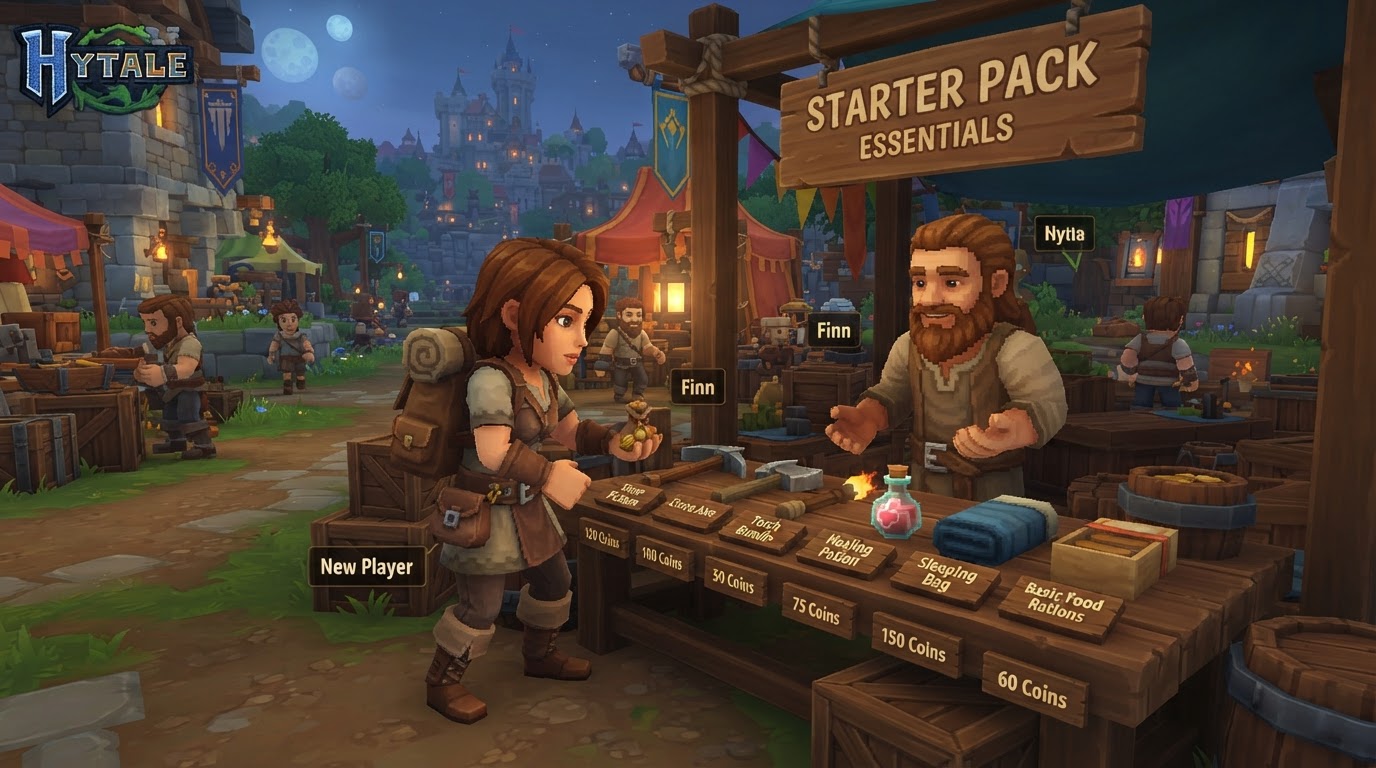
For new players venturing into the world of Hytale, the concept of a “starter pack” isn’t about what you purchase with in-game currency, but rather a strategic sequence of acquisitions, crafts, and actions that lay the foundation for successful progression. Your immediate focus should be on efficient resource gathering, essential crafting, and engaging with the world’s early narrative and friendly factions to secure vital tools and gear.
Understanding Core Hytale Mechanics
Before diving into specific steps, it’s crucial to grasp the fundamental mechanics that govern your initial hours in Hytale. These systems dictate what you’ll need to prioritize.
Resource Gathering & Crafting
- Wood is King, but Needs an Axe: Unlike some other block-based games, attempting to punch trees in Hytale is highly inefficient and will likely result in self-inflicted damage. Your very first priority after the tutorial is to acquire or craft an axe. This tool is indispensable for gathering wood, which in turn fuels almost all early-game crafting.
- Crafting is Progression: The workbench is your gateway to creating tools, weapons, armor, and structural components. Every step forward in Hytale’s early game is tied to gathering raw materials and transforming them through crafting.
Combat & Progression
- RPG Elements are Central: Hytale features a robust RPG system where your character’s effectiveness in combat is heavily influenced by your gear. Better weapons and armor allow you to tackle tougher enemies and explore more dangerous zones.
- Specialization Matters: While you can experiment, the game encourages players to specialize in weapon types or combat styles (e.g., sword and shield, ranger, magic). Early gear choices can begin to nudge you towards a preferred class.
Exploration & Quests
- Procedural World, Guided Paths: The world is procedurally generated, offering endless exploration. However, early game progression is often guided by specific locations and quests, such as tutorial areas, Kweebec Villages, and story dungeons like the Temple of Gaia.
- NPC Interactions: Friendly NPCs, particularly the Kweebecs, are not just for flavor. They offer quests that provide valuable rewards, insights, and access to unique early-game items through their shopkeepers.
Mob Drops
- Essential Materials from Enemies: Many critical crafting materials, especially various types of hide (light, medium, heavy), are primarily obtained by defeating creatures. Relying on animal farming for these materials is not an efficient strategy in the current early access state. Combat is thus directly linked to your crafting capabilities.
Your Hytale Starter Pack: Exact Steps for New Players
This sequence outlines the most efficient path for new players to establish themselves and progress beyond the initial hours.
-
Complete the Tutorial Area:
This is non-negotiable. The tutorial serves as your basic training ground, introducing core mechanics. Crucially, it culminates in a chest containing your first set of starter tools (often including an axe or materials to make one) and some basic sustenance like bread. Do not skip this or rush through without collecting the final loot.
-
Gather Wood with an Axe:
Immediately upon exiting the tutorial, your top priority is wood. If the tutorial chest didn’t provide an axe, gather enough basic materials (often stone and wood for handles) to craft one as quickly as possible. Once equipped, begin felling trees. Wood is the backbone of your early survival and crafting infrastructure.
-
Craft a Workbench:
With a healthy supply of wood, your next step is to craft a workbench. This fundamental crafting station unlocks a vast array of essential recipes, from more advanced tools and weapons to basic structural blocks. Without a workbench, your progression will halt almost immediately.
-
Visit a Kweebec Village:
Locate and approach a Kweebec Village. These settlements are invaluable early-game hubs. Kweebecs are friendly and will offer quests that guide you further into the world and reward you with useful items or currency. Their shopkeepers often stock rare early-game items that can give you a significant edge against initial challenges. Treat them as allies; looting their villages, especially as a new player without a dedicated stealth build, can turn them hostile and cut off vital early-game resources and questlines.
-
Explore the Temple of Gaia:
This significant landmark is typically introduced through early quests or exploration. The Temple of Gaia is crucial for advancing the main story, provides access to the world map (a vital navigation tool), and often contains key progression items. Be prepared for your first significant boss encounter here, typically a corrupted golem, so ensure you have basic weapons and perhaps some light armor.
-
Raid Trork Camps:
After acquiring some basic gear and understanding combat from the Temple of Gaia, seek out Trork Camps. These hostile encampments are excellent sources of early combat progression. Defeating the Trork Chieftains within these camps can yield rare and powerful weapons that are far superior to your crafted alternatives. These weapons are often essential for tackling other Zone 1 bosses and more challenging creatures, such as the void spider, which you should generally avoid until better equipped.
Essential Tips for Early Success
- Prioritize Resource Collection Relentlessly: Never stop gathering. Materials like light, medium, and heavy hide, obtained from defeated creatures, are constantly in demand for crafting armor and upgrades. You will always need more than you think.
- Utilize Fishing Traps for Linen: Linen is a crucial crafting component for various items, including early armor and utility tools. Setting up fishing traps in suitable bodies of water is an efficient and relatively passive way to acquire the necessary fibers.
- Experiment with Combat Classes: Hytale’s gear system incentivizes specialization. While you don’t need to commit immediately, try out different weapon types (swords, maces, bows, magic staves) to find a playstyle that resonates with you. This will inform your gear crafting priorities.
- Embrace Exploration: The procedurally generated world is designed for discovery. Don’t be afraid to wander off the beaten path, discover new biomes, and encounter different creatures. This organic exploration often leads to unexpected resources, unique locations, and a deeper understanding of the world.
- Consider Early Thieving (with caution): Some community strategies suggest that Tier 2 desert areas can be lucrative for early thieving. However, be extremely wary of dangerous wasps in these regions, which inflict significant poison damage. A bow is often recommended to deal with them from a distance, making this a more advanced early-game tactic.
Common Mistakes to Avoid
- Punching Trees: A common pitfall for players familiar with other sandbox titles. In Hytale, punching trees is ineffective for gathering wood and will damage your character. Always use an axe.
- Ignoring Early Game Quests and NPCs: Skipping the tutorial, neglecting quests from Kweebec Villages, or bypassing the Temple of Gaia will leave you severely under-equipped, without crucial navigation tools, and missing out on vital story progression.
- Underestimating Material Needs: Thinking you have “enough” hide, wood, or other basic resources is a recipe for frequent trips back to gather more. Always gather more than you think you’ll need, especially for common components.
- Looting Kweebec Villages Recklessly: While tempting, raiding friendly Kweebec settlements without a stealth-focused build will turn them hostile. This locks you out of their valuable questlines, shop access, and potential future allied support.
- Rushing Difficult Encounters: Attempting to fight challenging bosses (like the void spider) or venturing into high-tier zones without appropriate gear from Trork Camps or story progression will lead to frustrating and frequent deaths. Prepare adequately.
- Neglecting Gear and Class Specialization: While Hytale is in early access, the game’s design encourages players to make choices about their combat style. Ignoring weapon and armor upgrades or not experimenting with different class roles can make combat unnecessarily difficult as you progress.