
Guide
Hytale Quests and Achievements Explained
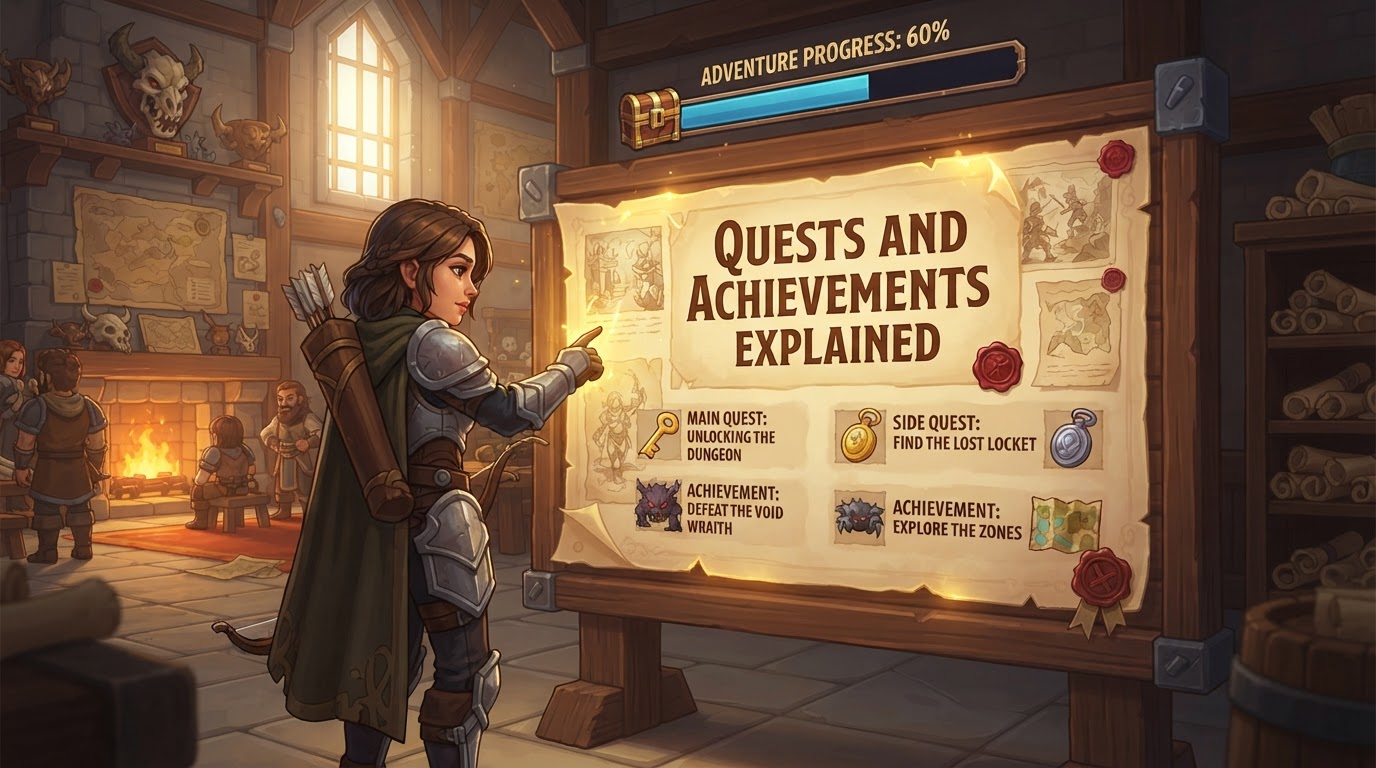
While official, in-depth details regarding Hytale’s quest and achievement systems are still emerging, community expectations, developer insights, and the robust modding capabilities of the game provide a strong indication of what players can anticipate. It’s understood that Hytale will feature a rich adventure mode with a narrative progression, complemented by various challenges and milestones for players to pursue.
Hytale Quests Explained
Hytale’s core Adventure Mode is expected to feature a compelling story driven by quests. While specific mechanics for the base game are not yet fully disclosed, the insights gained from third-party server modifications and general RPG design principles offer a valuable glimpse into how quests might function.
Understanding Quest Mechanics (Based on Community Expectations and Modding)
The quest system in Hytale is anticipated to be dynamic and multifaceted, catering to various playstyles and objectives. Here’s a breakdown of the expected mechanics:
- Types of Quests:
- Story Quests: These will form the backbone of Hytale’s narrative, guiding players through the main storyline. They are expected to be linear, often involving intricate dialogue trees with Non-Player Characters (NPCs) and requiring specific prerequisites to unlock. Community-developed systems often feature multi-chapter storylines, suggesting a deep, evolving narrative.
- Side Quests: Offering optional content, side quests will likely be tied to specific NPCs, regions, or factions. Their objectives can vary widely, encompassing combat encounters, resource gathering, crafting tasks, exploration of hidden areas, or even building projects. These quests provide additional lore, rewards, and opportunities for character development outside the main narrative.
- Daily & Weekly Quests: Common in many online games and frequently implemented in Hytale server modifications, these quests reset periodically (e.g., every 24 hours or once a week). They offer repeatable objectives such as defeating a certain number of creatures, mining specific ores, chopping wood, harvesting crops, or earning in-game currency. These quests are excellent for consistent rewards and player engagement, often featuring tiered reward structures and options to reroll undesirable tasks.
- Meta-Quests: Some systems might include broader, overarching quests that track cumulative player activity. Examples could include quests to earn a total amount of currency over time, gain a certain amount of experience from any source, or complete a large number of other quests. These encourage long-term engagement and reward persistent play.
- Quest Givers: NPCs are the primary anticipated source for quests. Players will likely interact with these characters, engaging in dialogue to accept new tasks. Additionally, some quests might auto-start based on specific in-game triggers, such as entering a new zone, reaching a certain player level, or interacting with a particular object in the world.
- Quest Objectives: The tasks required to complete quests are expected to be diverse, ensuring varied gameplay experiences:
- Gathering: Collecting specific resources like rare ores, particular types of wood, or unique flora.
- Combat: Defeating a certain quantity or type of hostile creatures, or overcoming challenging boss encounters.
- Exploration: Discovering new biomes, reaching specific landmarks, or interacting with points of interest.
- Crafting/Building: Creating specific items using Hytale’s crafting system or constructing designated structures.
- Progression: Reaching certain character levels, unlocking new abilities, or advancing through a skill tree.
- Rewards: Completing quests will yield valuable rewards, typically including:
- Currency: In-game money for purchasing items, services, or trading.
- Experience Points: Essential for character leveling and progression.
- Bonus Loot Bags: Containing various items, potentially including rare gear, crafting materials, or consumables.
- Quest Tokens: Some mod systems feature special tokens that can be exchanged at dedicated in-game shops for unique items or powerful gear. Rewards may also scale with player level or the difficulty tier of the quest.
Practical Steps for Engaging with Quests (Based on Mod Implementations)
While the official interface may differ, community-developed quest systems provide a strong blueprint for how players will likely interact with quests:
- Accessing Quests: Players will typically access an in-game GUI panel or a dedicated “QuestBook” to view available quests, accept new ones, track their progress, and abandon tasks. Commands like
/quests guiare common in modded environments for quick access. - Tracking Progress: Expect intuitive tracking mechanisms. This might include on-screen HUD elements displaying current objectives, real-time chat notifications when progress is made (e.g., “You have defeated 3/10 Goblins”), and map markers indicating quest-related locations.
- Completing Quests: Once all objectives are met, quests are usually turned in via the same quest panel/book or by returning to the original NPC who issued the quest.
Tips for Maximizing Quest Benefits (Mod-Inspired)
- Regularly Check Daily/Weekly Quests: Make it a habit to review and accept these quests as they refresh. They are a consistent source of experience, currency, and special tokens.
- Utilize Reroll Systems: If a daily or weekly quest is particularly difficult or undesirable, check if a reroll option is available. Many systems offer at least one free reroll per refresh period, allowing you to swap out a quest for a potentially easier or more rewarding one.
- Prioritize High-Tier Rewards: When choosing between multiple quests, especially daily/weekly ones, look for those offering higher-tier rewards (e.g., “Rare,” “Epic,” or “Legendary” loot bags or more tokens).
Common Questing Mistakes to Avoid (Speculative)
- Ignoring Quests Entirely: Overlooking quests means missing out on significant experience, valuable currency, unique items, and crucial story progression.
- Not Actively Tracking Objectives: Failing to keep an eye on your current quest objectives can lead to inefficient gameplay, as you might unknowingly complete parts of a quest without realizing it, or wander far from your next objective.
- Carelessly Abandoning Quests: Some quest systems may impose penalties or cooldowns for abandoning quests, especially story-critical ones. Ensure you understand the implications before dropping a task.
- Lack of Coordination in Multiplayer: In a group setting, not communicating quest objectives with your teammates can lead to duplicated effort or slower overall progress.
Hytale Achievements Explained
Similar to quests, the specific details of Hytale’s official achievement system are not yet fully public. However, the presence of achievement systems in many modern games and within Hytale’s own third-party server plugins provides a clear picture of what players can expect: a robust system for tracking and rewarding player accomplishments.
Understanding Achievement Mechanics (Based on Community Expectations and Modding)
Achievements in Hytale are expected to serve as a comprehensive record of a player’s journey and mastery within the game world.
- Achievement Categories: Achievements will likely span a wide array of gameplay aspects, encouraging players to explore every facet of Hytale. Categories could include:
- Tutorial Completion: For mastering basic game mechanics.
- Crafting Milestones: For creating specific items or reaching a certain number of crafts.
- Social Interactions: For meeting key NPCs or completing specific dialogue trees.
- Exploration: For discovering new biomes, hidden areas, or reaching geographical extremes.
- Combat Prowess: For defeating challenging bosses, specific enemy types, or reaching kill counts.
- Collection: For gathering rare items, completing sets, or filling out bestiaries.
- Automatic Tracking: Achievement systems automatically track player actions. This means simply by playing the game, interacting with the world, and progressing, players will naturally unlock various achievements without needing to actively “accept” them like quests.
- Rewards for Achievements: Unlocking achievements often comes with a sense of accomplishment, but many systems also provide tangible rewards:
- Titles: Unique prefixes or suffixes for a player’s name, showcasing their accomplishments.
- Achievement Points/Currency: A special currency that can be spent in a dedicated achievement shop for cosmetic items, unique gear, or other benefits.
- Cosmetic Items: Exclusive skins, emotes, or decorative items for character customization or housing.
- Integration with Other Systems: Achievements are expected to integrate seamlessly with other core game systems, such as quests (e.g., an achievement for completing all story quests), progression (e.g., an achievement for reaching max level), and the in-game economy.
Practical Steps for Earning Achievements (Speculative)
- Accessing Achievements: Players will likely find a dedicated “Achievements” or “Progress Tracker” section within the game’s main menu or character interface. This panel will display unlocked achievements, progress towards others, and available rewards.
Tips for Maximizing Achievement Unlocks
- Embrace Exploration: Many achievements are tied to discovering new areas, interacting with unique environmental elements, or finding hidden secrets. Don’t be afraid to venture off the beaten path.
- Engage with All Game Systems: Actively participate in crafting, combat, building, and social interactions. A holistic approach to gameplay will naturally lead to more achievement unlocks.
- Consult Community Guides (Post-Release): Once the game is released, community-created guides will likely detail specific requirements for challenging or hidden achievements. Don’t hesitate to use these resources if you’re aiming for 100% completion.
- Set Specific Challenges: Some achievements might require you to complete tasks under specific conditions (e.g., defeat a boss without taking damage, craft every item in a category). These can be fun personal challenges.
Common Achievement-Related Mistakes to Avoid (Speculative)
- Focusing Exclusively on Quests: While quests are important for progression, neglecting other aspects of the game will cause you to miss out on numerous achievements and the rewards they offer.
- Not Experimenting with Mechanics: Some achievements might require unconventional approaches or deep dives into specific game mechanics. Don’t be afraid to try new things.
- Ignoring the World Around You: Many achievements are about interacting with the environment, finding hidden lore, or observing unique events. Always be observant.
It is crucial to remember that Hytale is still under active development. While community insights and existing mod frameworks provide excellent examples of what is possible and desired, the official implementations for quests and achievements in the final game may vary. This guide reflects the most informed expectations based on available information.