
Guide
Hytale vs Ark Survival Evolved: A Full Comparison
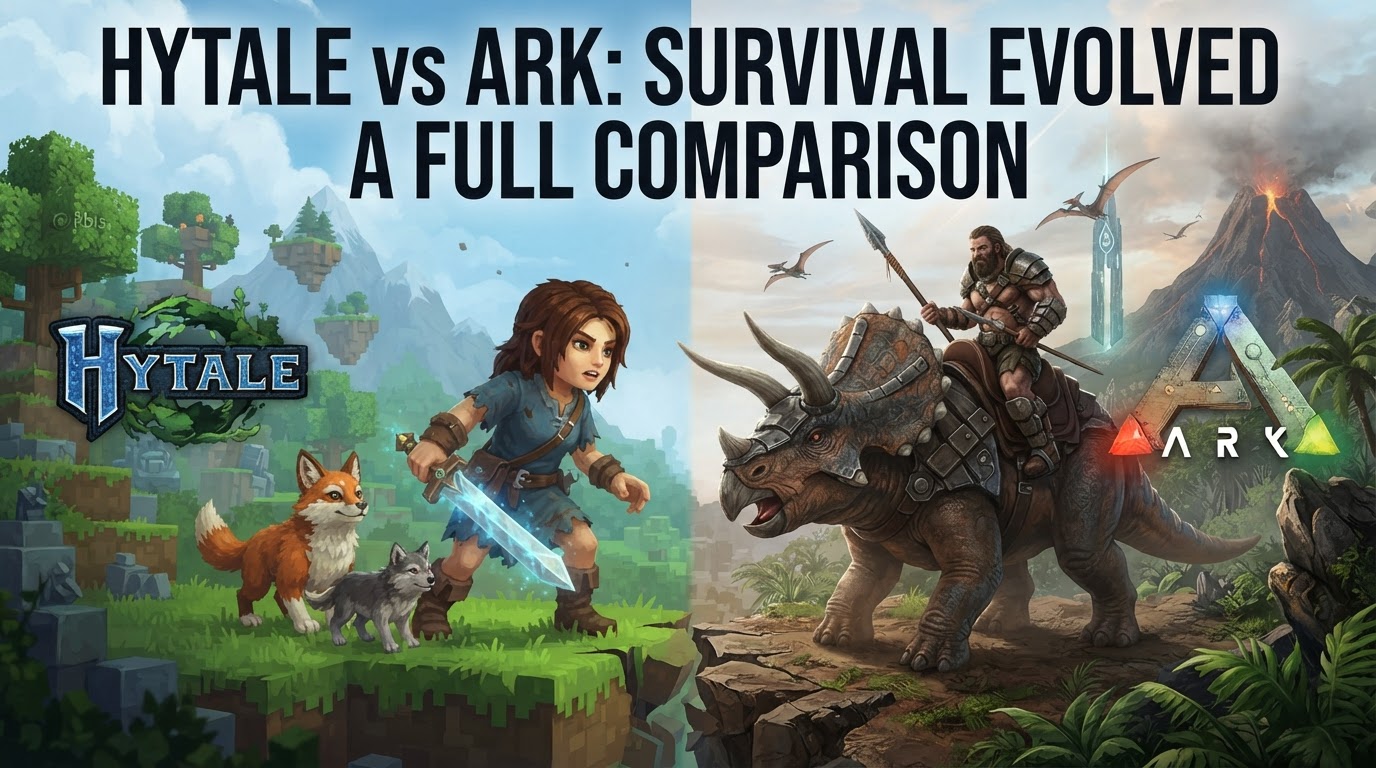
While both Hytale and Ark: Survival Evolved immerse players in expansive sandbox worlds focused on survival, crafting, and exploration, they diverge significantly in their core gameplay loops, progression systems, and overall player experience. Hytale emphasizes creative freedom, RPG-style adventure, and extensive modding capabilities within a vibrant, block-based world, whereas Ark delivers a more hardcore, persistent survival challenge centered around taming and utilizing prehistoric creatures in a harsh, unforgiving environment.
Hytale vs. Ark: Core Philosophies
The fundamental design philosophies behind Hytale and Ark dictate very different player journeys. Hytale, recently launched into early access, is built around the pillars of player creativity, adventure, and community-driven content. Its block-based construction system offers immense freedom in building, complemented by deep RPG mechanics for combat and character progression. The game actively encourages modding and custom content creation, aiming to be a platform for diverse player-made experiences, from custom minigames to entirely new game modes.
Ark: Survival Evolved, by contrast, is a brutal test of endurance and strategy. Its core is a relentless survival loop where players must constantly battle against environmental hazards, hunger, thirst, and a diverse ecosystem of dangerous creatures, most notably dinosaurs. The game’s persistent world means progress and dangers continue even when players are offline, fostering a sense of constant threat and requiring strategic base building and creature management. Taming creatures is central to Ark’s progression, turning threats into allies that aid in resource gathering, combat, and exploration.
Gameplay Mechanics: A Deeper Dive
Hytale Mechanics
- Block-Based Construction: Players can build intricate structures, terraform landscapes, and design their own environments using a versatile block system. This is a core creative outlet.
- RPG-Style Combat: Combat is dynamic, combining melee weapons, ranged attacks, and magical abilities. Players can block, dodge, and utilize different weapon types, offering a more nuanced experience than simple point-and-shoot mechanics.
- Procedural World Generation: The world of Orbis is procedurally generated, featuring diverse biomes, unique creatures, and hidden dungeons, ensuring fresh exploration with each playthrough.
- Modding and Customization: Hytale is designed from the ground up to support extensive modding. Players can create custom items, creatures, game modes, and share them with the community, significantly extending the game’s lifespan and variety.
- Progression via Memories: Unlocking “Memories” at Gaia Temples is a key progression element, often tied to the game’s teleportation system, which facilitates efficient travel across the vast world.
- Minigames and Creative Mode: Beyond the adventure mode, Hytale includes dedicated minigames and a Creative Mode for players to unleash their design talents without survival constraints.
Ark: Survival Evolved Mechanics
- Hardcore Survival: Players must constantly manage hunger, thirst, temperature, and health. The environment itself is a significant threat.
- Creature Taming: A signature feature is the complex process of taming creatures. This involves weakening, knocking out, and then feeding them their preferred food while keeping them sedated. Tamed creatures are invaluable for combat, resource collection, transportation, and defense.
- Persistent World: The game world continues to run even when players are offline. Characters sleep in the world, and bases and tamed creatures remain vulnerable to threats from the environment or other players (in PvP servers).
- Engram Progression: As players gain experience, they level up and earn Engram Points, which are used to unlock blueprints for crafting tools, weapons, structures, and advanced technologies.
- Resource Management and Crafting: Harvesting resources from the environment is crucial for crafting everything from basic tools and weapons to complex industrial machinery and advanced structures.
- Base Building and Defense: Constructing a secure base is paramount for survival, protecting players and their tames from hostile creatures and rival tribes.
Early Game Progression: First Steps
Hytale Early Game
- Initial Resource Gathering: Upon spawning, immediately collect basic resources like plant fiber, sticks, and stone rubble found on the ground in your starting biome (e.g., Emerald Grove).
- Basic Tool Crafting: Access your pocket crafting menu to create essential tools such as a crude hatchet and pickaxe to accelerate resource collection.
- Locate Gaia Temple: Prioritize finding a Gaia Temple. Interacting with the Statue of Memories inside unlocks critical fast-travel teleporters, making future exploration far more efficient.
- Sustainment and Workbench Upgrades: Harvest mature wheat for Essence of Life, a vital resource for upgrading workbenches and crafting seed bags. Early fuel primarily comes from growing and chopping down trees, as coal is not readily available.
- Combat Practice and Exploration: Engage in combat, focusing on effective blocking. Begin exploring nearby biomes and caves to discover new materials and challenges.
- Basic Base Setup: Place chests near workbenches. Hytale’s crafting system allows workbenches to access resources in nearby storage, streamlining your crafting process.
- NPC Interaction: Pay attention to NPCs and their dialogue; they often provide crucial hints and guidance for progression.
Ark: Survival Evolved Early Game
- Immediate Survival: Players start naked and vulnerable. The first priority is gathering berries for food (beware of narcotics) and finding a water source to prevent dehydration.
- Basic Tools and Hunting: Punch trees and bushes to gather wood, stone, and thatch, but be aware this damages your character. Quickly craft a stone pickaxe and hatchet. Hunt passive creatures like dodos for raw meat and hide, then cook the meat over a campfire.
- Leveling and Engrams: Perform any action (gathering, crafting, killing) to gain XP. Level up and spend Engram Points to unlock blueprints for essential items, structures, and tools.
- Establishing a Base: Build a small, secure shelter, preferably near water and away from aggressive predators. Start with thatch structures, then upgrade to wood, and eventually stone for better protection.
- First Creature Tame: Target docile, early-game utility creatures such as a Parasaur or Lystrosaurus. The taming process involves knocking the creature unconscious (e.g., with fists, slingshot, tranquilizer arrows) and then feeding it its preferred food while managing its torpor.
Tips for Success
Hytale Tips
- Resource Hoarding: Collect every resource you encounter early on; you’ll need them for crafting and upgrades.
- Teleporter Network: Make unlocking teleporters a high priority to drastically reduce travel time and open up more efficient exploration.
- Combat Versatility: Master blocking and consider using faster weapons like swords or daggers for quick engagements over slower, heavier options in early combat scenarios.
- Efficient Exploration: Utilize your offhand slot for a torch to illuminate dark areas without constantly placing and picking up light sources.
- Delayed Permanent Base: Avoid investing heavily in a large, permanent base too early. Explore to understand optimal locations regarding resource availability, enemy activity, and overall map layout.
Ark: Survival Evolved Tips
- Coastal Safety: In the initial hours, stick to the beaches and shallow waters to avoid the most dangerous predators found further inland.
- Vital Stat Prioritization: Early on, focus on increasing Health, Weight capacity, and Melee Damage to improve your survivability and efficiency.
- Strategic Engram Unlocks: Carefully choose which Engrams to unlock. Prioritize essential survival items, basic tools, and foundational structures.
- Secure Base Location: Build your first base in a defensible spot, ideally with natural barriers or on a cliff, to protect against wandering aggressive creatures.
- Utility Tames First: Tame docile utility creatures early on. They can significantly aid with resource gathering, increase your carrying capacity, and provide basic defense.
- Environmental Awareness: Always be aware of your surroundings. Listen for creature sounds and observe movement, as hostile creatures can appear unexpectedly.
Common Pitfalls to Avoid
Hytale Mistakes
- Unprepared Exploration: Rushing into higher-tier zones or dungeons without adequate gear or understanding the progression can lead to frequent deaths and frustration.
- Ignoring Teleportation: Neglecting to activate Gaia Temple teleporters results in tedious backtracking and inefficient use of time.
- Suboptimal Weapon Use: Using slow, heavy weapons in situations that demand speed and agility can make fights unnecessarily difficult.
- Inefficient Resource Management: Spending too much time on low-yield activities or not optimizing resource collection methods slows progression.
- Premature Permanent Base: Committing to a large, permanent base before understanding the map’s layout, optimal resource spots, or enemy spawn patterns can lead to regret and wasted effort.
- Skipping NPC Dialogue: Ignoring interactions with NPCs can cause players to miss crucial lore, quest information, or progression hints.
Ark: Survival Evolved Mistakes
- Venturing Inland Too Soon: Exploring dangerous inland areas without proper gear, weapons, or tames is a common cause of early-game deaths.
- Neglecting Basic Needs: Failing to consistently manage hunger, thirst, and temperature will quickly lead to death.
- Poor Engram Allocation: Unlocking non-essential Engrams early on can delay access to critical survival items and technologies.
- Insecure Base Placement: Building a base in an easily accessible or unprotected location makes it vulnerable to creature attacks and other players (in PvP environments).
- Underestimating Taming: Attempting to tame creatures without understanding their specific dietary needs, torpor management, or preferred knockout methods often leads to failed attempts and wasted resources.
- Ignoring Single-Player Settings: For solo players, not adjusting settings like taming speed, resource gathering rates, or player/dino stats can make the game feel overly grindy or unfairly difficult.
Ultimately, your preference between Hytale and Ark: Survival Evolved will depend on the experience you seek. If you crave creative freedom, RPG adventure, and a platform for community-driven content, Hytale is likely your game. If you’re looking for a brutal, persistent survival challenge focused on creature taming and overcoming a harsh prehistoric world, Ark will deliver that intense experience.