
Guide
What Hytale’s Success Means for Indie Game Revivals
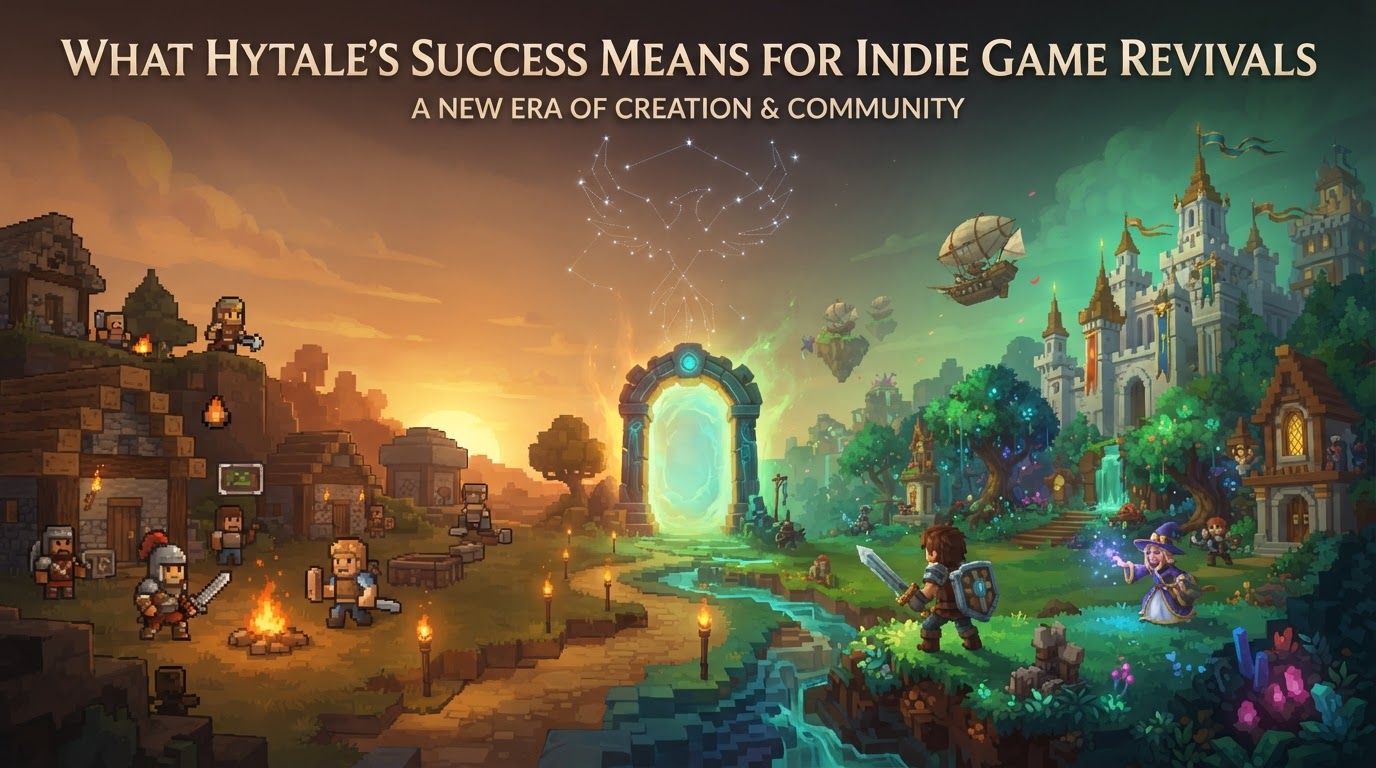
Hytale’s remarkable journey from cancellation to over one million early access players within weeks of its January 13, 2026, launch provides a potent blueprint and a renewed sense of possibility for indie game revivals. Its success fundamentally demonstrates that a compelling original vision, coupled with a deeply engaged community and strategic post-cancellation execution, can not only resurrect a project from the brink but also invigorate interest in entire game genres.
Hytale’s Blueprint for Revival: A Direct Answer
Hytale’s success signifies that the dream of reviving a cancelled game or breathing new life into a dormant genre is far from dead for indie developers. It underscores that community loyalty, especially when cultivated over years, is an invaluable asset. Furthermore, it highlights the critical importance of returning to core creative leadership and maintaining transparency, particularly during an early access phase. For indie studios, Hytale offers a masterclass in leveraging pre-existing hype, strategically funding development post-acquisition, and building a game with community-driven longevity at its heart. It’s a testament to the power of visionaries reclaiming their creations and proving that player investment in a concept can transcend even corporate setbacks.
The Mechanics Behind Hytale’s Early Success
Beyond its dramatic backstory, Hytale’s rapid early access adoption and positive reception are deeply rooted in its design philosophies and core mechanics. These elements are not just features; they are foundational pillars that contribute to its long-term viability and serve as valuable lessons for any developer considering a revival.
Hybrid Gameplay
- Broad Appeal: Hytale deftly combines block-based construction with rich RPG-style combat and exploration within a procedurally generated world. This hybrid approach caters to a wide spectrum of players, from those who thrive on creative building to adventurers seeking structured progression and challenging encounters. For a revival, offering diverse gameplay loops can capture a broader audience than a niche focus, increasing the project’s chances of sustainability.
- Depth and Variety: The blend ensures that players always have something new to engage with, reducing potential burnout. A revival project can benefit from identifying core mechanics that offer both immediate gratification and long-term depth.
Robust Modding Support
- Community Empowerment: From its earliest announcements, Hytale has championed extensive modding support, including server-side modding and intuitive in-game content creation tools. This commitment empowers the player base to become active creators, significantly extending the game’s lifespan and diversifying its content beyond what any single development team could produce. With over 5,000 player-created mods and 20 million downloads on CurseForge by March 2026, the data speaks for itself.
- Longevity and Evolution: For games aiming for a long-term presence or those reviving community-driven genres, robust modding is not merely a feature; it’s a survival mechanism. It allows the game to evolve with its community’s desires, keeping it fresh and relevant for years.
Community-Centric Design
- Built for Interaction: Originating from the team behind the highly successful Hypixel server, Hytale was inherently designed with community servers and player interaction as a core tenet. This deep understanding of multiplayer dynamics and community building fostered a strong, loyal player base even before launch.
- Sustained Engagement: A strong, engaged community is the lifeblood of any game, particularly one seeking a long-term presence or a revival. Designing with player interaction and community tools in mind from the outset creates a self-sustaining ecosystem.
Diverse Appeal
- Beyond Core Genres: While rooted in sandbox and RPG elements, Hytale actively develops features for “cozy players,” such as farming, animal care, cooking (with buff mechanics), and intricate home building. This strategic broadening of appeal attracts players who might not typically engage with traditional survival-crafting or RPG titles.
- Wider Market Reach: For a revival project, identifying and integrating elements that appeal to adjacent player demographics can significantly expand the potential market and ensure broader commercial viability.
Hytale’s Unprecedented Revival Journey: A Step-by-Step Guide
Hytale’s specific re-emergence from cancellation is a dramatic, yet instructive, case study for indie developers facing similar existential threats or seeking to bring back a beloved but defunct project.
- Reacquisition by Original Visionaries: The single most critical turning point for Hytale was its repurchase by original founder Simon Collins-Laflamme after Riot Games cancelled the project in June 2025. This move ensured that the game’s development direction could be fully realigned with its foundational vision and original creative intent, free from external corporate pressures that may have led to its initial cancellation.
- Leverage Pre-existing Community Hype: Despite years of development, setbacks, and eventual cancellation, Hytale maintained an exceptionally large, passionate, and emotionally invested community. This pre-existing hype, fueled by years of anticipation and detailed developer blogs, was an invaluable asset that provided immediate momentum and a built-in audience for the re-launch.
- Transparent Early Access Launch: Upon its re-launch, Hytale entered early access with remarkable transparency. Collins-Laflamme openly described the game’s state as “raw and broken, but still beautiful,” clearly managing player expectations. This honest communication strategy invited the community to participate actively in shaping the game’s future, fostering a sense of ownership and collaboration rather than demanding perfection.
- Strategic Funding: Post-reacquisition, Collins-Laflamme personally funded the revival efforts. Crucially, early access pre-purchases were then utilized to secure at least two years of further development. This financial independence, decoupled from venture capital or corporate oversight, was paramount for maintaining creative control and stability during the critical early stages of the revival.
- Re-assemble Core Team: To ensure continuity, institutional knowledge, and efficient progress, the original founder prioritized rehiring over 30 developers who were already familiar with the game’s codebase, tools, and vision. This rapid re-assembly of a knowledgeable team significantly reduced onboarding time and allowed for a quicker return to productive development.
Broader Lessons for Indie Game Revivals
While Hytale’s story is unique, its principles offer universal guidance for indie developers looking to revive a specific game or a broader genre.
- Foster a Dedicated Community Early: Even through extended development cycles, setbacks, or periods of silence, maintaining open, honest communication and actively fostering a dedicated community can provide an invaluable bedrock of support and momentum for any revival. Platforms like Reddit, Discord, and dedicated forums are crucial for this ongoing engagement.
- Prioritize Modding and User-Generated Content (UGC): For sandbox, creative, or community-driven games, robust, accessible modding tools and support for UGC are not optional. They are powerful engines for extending a game’s lifespan, diversifying its content, and making it inherently more viable for a long-term “revival” strategy.
- Manage Scope and Expectations Realistically: Hytale’s earlier development under Riot reportedly struggled with scope creep and a pursuit of perfection that led to significant delays. Indie developers reviving a project or a genre must be ruthlessly realistic about their initial scope to avoid burnout, development hell, and alienating their audience with unfulfilled promises. Start smaller, deliver, then expand.
- Embrace Iterative Development and Early Access: Releasing a revived project into early access can be a strategic advantage. It allows developers to gather crucial feedback, secure funding through early sales, and build the game collaboratively with their community. This iterative approach reduces risk and builds goodwill, especially for a project with a troubled past.
- Cultivate a Strong, Unique Vision: While drawing inspiration from successful genres (e.g., block-builders), successful revivals rarely succeed by merely copying. Hytale aims to offer more RPG depth, polished mechanics, and unique systems than its inspirations. A revived project needs to bring a fresh perspective, significant improvements, or a unique twist to capture modern audiences and stand out.
Common Pitfalls to Avoid in Revival Projects
Indie game revivals, whether of a specific project or a genre, face unique challenges. Avoiding these common mistakes is as crucial as following best practices.
- Ignoring Community Feedback (Post-Revival): The community that supported a project’s return is its most valuable asset. Failing to actively listen to, acknowledge, and thoughtfully integrate their feedback post-revival can quickly alienate the very audience that made the return possible.
- Over-promising and Under-delivering: Especially after a long, troubled, or cancelled development, making grand promises that cannot be met will rapidly erode player trust. Transparency, as exemplified by Hytale’s early access communication, is key to managing expectations.
- Lack of Clear Vision (or too many competing visions): Hytale’s earlier struggles were partly attributed to shifting visions and extensive engine rewrites that stalled progress. A clear, consistent, and well-communicated vision is paramount for any successful revival, guiding development and reassuring the community.
- Insufficient Marketing and Visibility: Even a highly anticipated revived game needs continuous marketing efforts. Relying solely on past hype is insufficient; ongoing engagement with press, content creators, and social media is vital to reach new players and maintain momentum.
- Failing to Adapt to Modern Standards: Reviving an old genre or IP without modernizing mechanics, improving accessibility, or implementing quality-of-life features can result in a product that feels dated and fails to attract new players. A revival needs to feel fresh, not just nostalgic.
- Starting Too Large/Scope Creep: Overambitious projects are a perennial failing for indie studios. This was a significant factor in Hytale’s initial development challenges. For a revival, starting with a well-defined, achievable core and then expanding based on player feedback and success is often a much safer and more sustainable approach than attempting to launch with every feature imagined.