
Guide
How to Prepare for Your First Cave Trip in Hytale
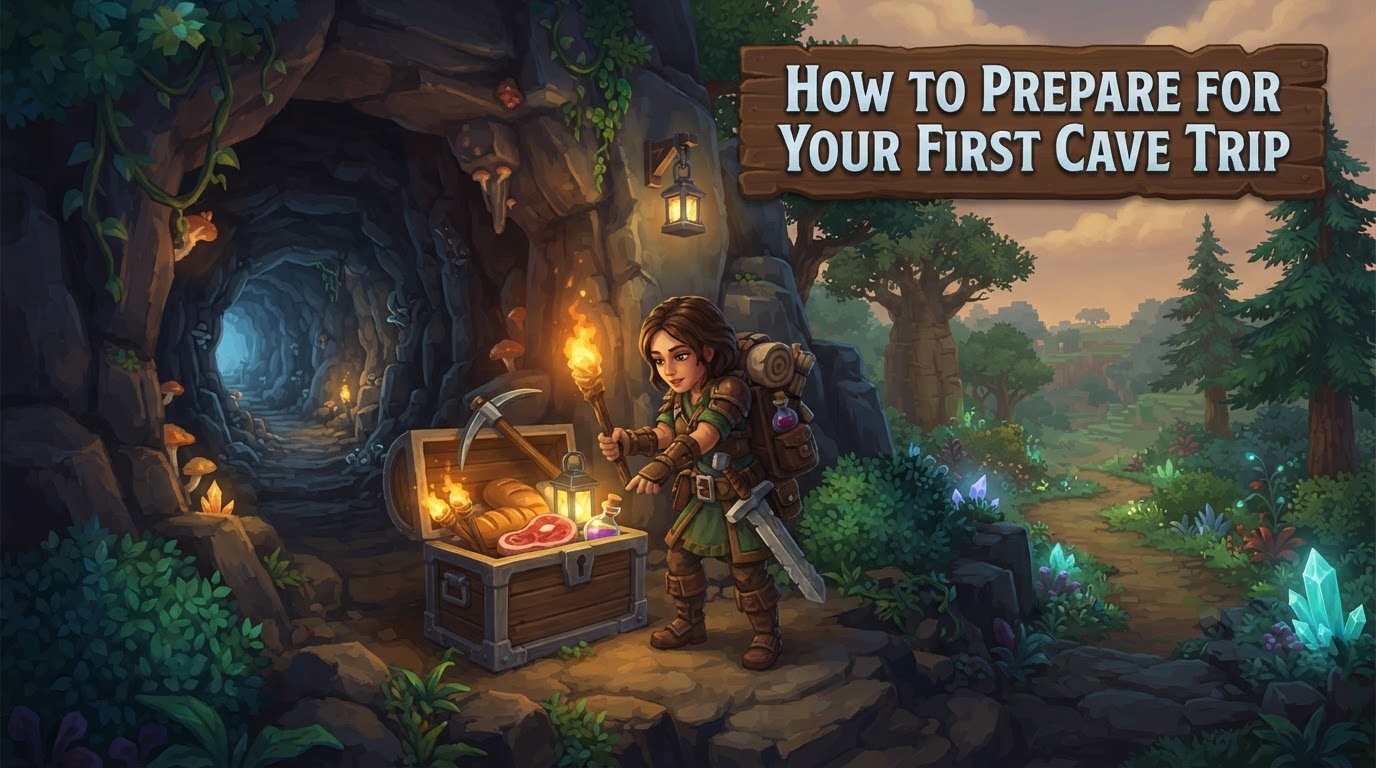
The single most critical factor for a successful and rewarding first cave trip in Hytale is thorough preparation. Hytale’s diverse and procedurally generated cave systems offer invaluable resources essential for progression, but they also present significant dangers. Entering a cave unprepared is a common mistake that can lead to frustration and lost progress. By gathering the right gear, understanding the environment, and adopting smart caving practices, you can transform a perilous journey into a productive expedition.
Gear Up: Essential Equipment for Your First Cave Trip
Before you even think about descending into the dark, ensure you have the right tools and supplies. Your inventory is your lifeline in the depths of Hytale’s caves.
Basic Tooling and Initial Crafting
- Crude Pickaxe: Your very first pickaxe, crafted from Rubble and Sticks, is enough to get you started on surface-level mining.
- Crude Torch: Made from Plant Fibers and Sticks, these are your initial light sources. Craft several before you even consider entering a cave.
Advanced Gear for Deeper Exploration
As you progress, upgrade your tools and gather more specialized equipment.
- Pickaxes:
- Multiple Pickaxes: Always bring several pickaxes of your highest available tier. Mining is resource-intensive, and tools break.
- Upgrade Priority: Aim to quickly upgrade to a Copper Pickaxe, then an Iron Pickaxe. An Iron Pickaxe or better is generally sufficient for most naturally obtainable ores you’ll encounter.
- Repair Kits/Materials: For Iron pickaxes and above, consider bringing repair kits or the raw materials (e.g., iron ingots, sticks) to craft new ones on the go.
- Weapons & Armor:
- Weapon of Choice: Equip your best available weapon. Daggers are noted for their attack speed and effectiveness against early cave mobs.
- Ranged Option: A bow and a good supply of arrows are crucial for engaging distant or flying enemies safely.
- Shield: If you’re using a one-handed weapon, a shield provides vital defense against incoming attacks.
- Armor: Wear the best armor you can craft to mitigate damage from hostile creatures.
- Light Sources:
- Torches Galore: Carry a substantial amount of torches – at least 100 is a good starting point. Keep them in your off-hand for quick placement.
- Crafting Materials: Bring extra Plant Fibers, Sticks, and Resin to craft more torches as needed. Charcoal, obtained by burning plant fiber in a furnace, is also a key ingredient.
- Purpose: Torches illuminate your path, improve visibility, and critically, prevent hostile mobs from spawning in the immediate vicinity.
- Food:
- Sufficient Rations: Pack plenty of food to restore health during extended trips. A good rule of thumb is at least 25 pieces of two different food types to ensure variety and sustained healing.
- Wild Berries: These are a readily available early-game food source that can restore health.
- Building Blocks:
- Cobblestone or Dirt: Bring a stack or two of common blocks. These are invaluable for bridging gaps, climbing vertical shafts, creating safe descents, or blocking off dangerous areas.
- Expanded Inventory:
- Backpack: Craft a backpack as early as possible. This significantly increases your carrying capacity, allowing you to bring more supplies and haul back more loot.
Strategic Preparations
Beyond just gear, a smart approach to caving involves planning and establishing a secure foothold.
- Set Up a Base (Recommended): Consider placing a temporary base or at least a chest near the cave entrance. This allows you to offload excess stone, common loot, and repair tools without having to trek all the way back to your main base.
- Target Specific Biomes: Hytale’s ores are distributed based on biomes and zones, not just depth. Plan your mining trips according to the resources you need. For example, Zone 2 deserts are known for Iron and Thorium, while Zone 3 snowy mountains might yield Gold.
Caving Best Practices
Once inside, a systematic approach will keep you safe and productive.
- Prioritize Exploration Over Strip-Mining: Instead of blindly digging tunnels, focus on exploring natural caves, ravines, and exposed mountain faces first. Valuable ores are frequently found exposed in these areas, making them much more efficient to harvest.
- Illuminate Thoroughly: Place torches every 5 blocks as you explore. This ensures adequate lighting, prevents hostile mob spawns, and makes it easier to spot ore veins. Remember that ore blocks often emit a faint glow, which can help you spot them in low light.
- Mark Your Path: Complex cave systems can be disorienting. Use torches placed on one side of the tunnel (e.g., always on the right as you go deeper) or other distinct markers to avoid getting lost.
- Efficient Inventory Management: Only bring essential items into the cave to maximize space for the resources you’ll collect. Utilize your backpack and make regular trips back to your temporary base or main base to deposit resources.
- Be Combat Ready: Caves are home to a variety of hostile creatures, including rats, goblins, spiders, Scaraks, toads, and elemental golems. Always be prepared for combat. Killing rats can provide Light Hide, a useful crafting material.
- Navigate Carefully: Be mindful of environmental hazards. Icy caves might have slippery ground, and vertical shafts can lead to significant fall damage. Always look before you leap, and use building blocks to create safe descents.
- Underwater Caving (Advanced): For more advanced exploration, some caves are found underwater. Manage your oxygen carefully. These unique water block patterns, often found near coasts or large lakes, can hide unique resources and ancient ruins guarded by Undead enemies.
Common Pitfalls to Avoid
Learning from the mistakes of others can save you a lot of trouble.
- Under-Preparation: Entering a cave without sufficient light, food, weapons, or pickaxes is the most common and easily avoidable mistake. It often leads to early demise and loss of items.
- Neglecting Tool Upgrades: Sticking with low-tier pickaxes means slower mining, more frequent breakages, and the inability to harvest higher-tier ores. Always upgrade your tools as soon as possible.
- Inefficient Mining: Blindly digging or strip-mining without first exploring natural cave formations is less efficient for finding valuable ore veins. Natural generation often exposes more resources.
- Poor Inventory Management: Running out of inventory space in the middle of a rich vein, or losing a full inventory of collected resources in a dangerous area, can significantly hinder progression.
- Getting Lost: Not lighting up or marking your path can easily lead to disorientation in expansive cave networks, wasting valuable time and potentially putting you in danger.
- Underestimating Hostile Mobs: Failing to adequately light up areas or being unprepared for combat can result in being overwhelmed by enemy spawns, especially in darker, unlit sections.
- Ignoring Teleporters (General Exploration Mistake): While not strictly cave-specific, not setting up teleporters near important mining zones or your base can lead to excessive backtracking and wasted time, impacting your overall exploration efficiency.
- Reckless Descent in Zone 4: In certain zones, particularly Zone 4, digging straight down can lead directly into lava. Always use natural cave systems or carefully construct safe descents to avoid such hazards.