
Guide
Hytale’s Cursebreaker Arc: Everything We Know
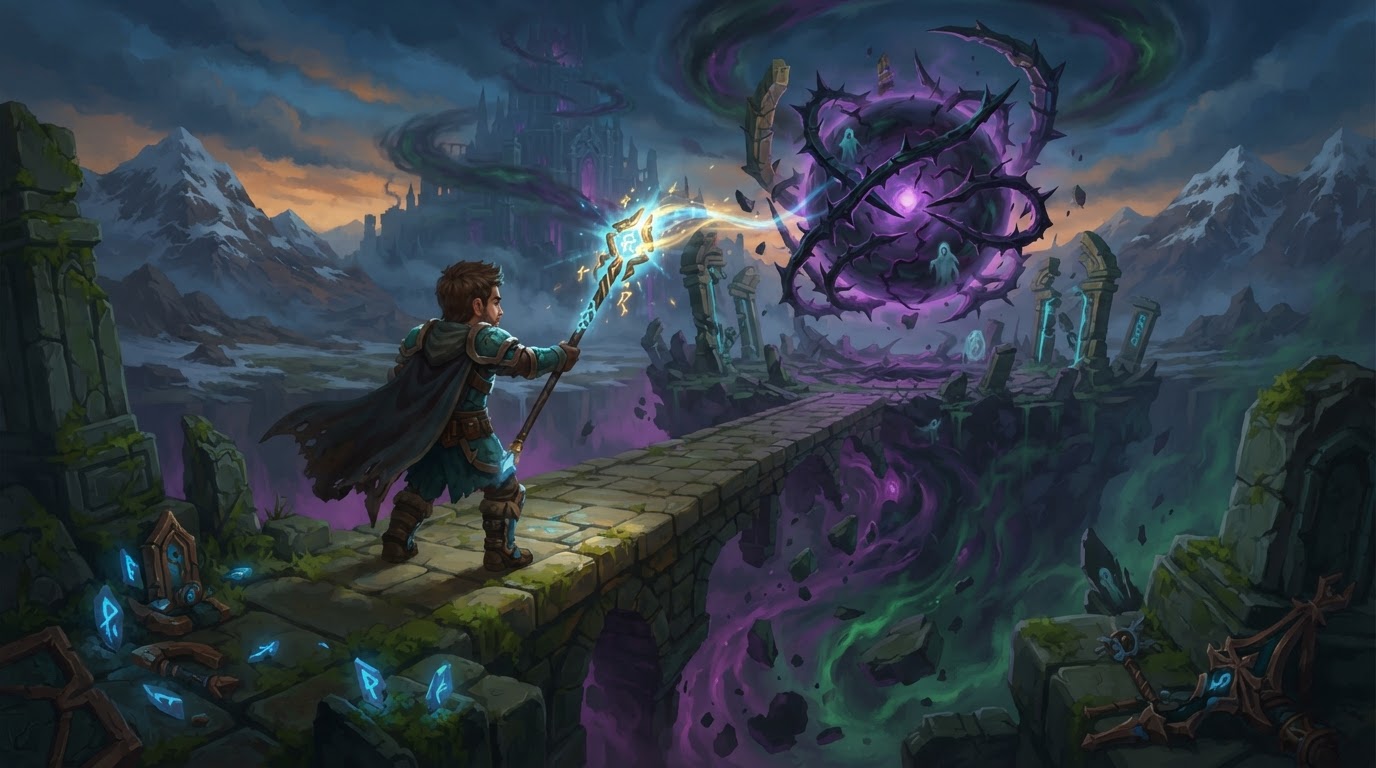
The Cursebreaker Arc is Hytale’s central narrative experience for its Early Access phase, designed to gradually unveil the world of Orbis and its lore through a series of content updates. It serves as a structured, story-driven progression pathway for players before the game’s full 1.0 release, offering a more guided experience than a typical sandbox while integrating significant gameplay additions.
Understanding the Cursebreaker Arc
Hytale’s development has been a journey, and the “Cursebreaker Arc” itself carries a dual meaning. On one hand, it’s the literal narrative players will experience, unfolding chapter by chapter. On the other, it metaphorically represents the game’s long development cycle and its eventual breaking free into the hands of players. This arc is not just a series of quests; it’s the framework through which players will discover the foundational lore, encounter key characters, and make choices that shape their journey through Orbis.
Narrative Progression and Impact
- Chapter-Based Delivery: The Cursebreaker Arc will be delivered through larger content updates, each introducing a new chapter of the story. This episodic approach allows developers to refine the narrative and gameplay based on player feedback during Early Access.
- Consequential Choices: Players are expected to face difficult choices throughout the arc. These decisions are designed to have lasting consequences, impacting the world around them and their character’s development. This suggests a dynamic narrative where player agency plays a significant role.
- Gradual World Revelation: Instead of dumping all of Orbis’s lore at once, the arc will slowly peel back layers of the world, its history, and its inhabitants. This ensures a sense of discovery and anticipation with each new update.
Early Access Focus vs. Full Release
While the ultimate, expansive Hytale story is reserved for the 1.0 release, the Cursebreaker Arc provides a robust, narrative-driven experience for Early Access. It’s designed to give players a compelling reason to keep returning, offering more than just open-ended exploration. This structured approach helps guide players through the core mechanics and initial mysteries of Hytale, setting the stage for the full game.
Integration with Core Gameplay
The updates that introduce new chapters of the Cursebreaker Arc are not just story dumps; they also bring significant gameplay additions and refinements. This ensures that narrative progression is intertwined with mechanical evolution. Examples include early versions of animal taming systems, new combat mechanics, and specific enemy types like the Goblin Flamethrower, or buffs related to Necromancy. This holistic approach means that advancing the story often means unlocking new ways to play and interact with the world.
The Starting Location: A Mystery
One intriguing piece of information about the Cursebreaker Arc is that players will reportedly not begin their journey in Orbis itself. Given that Orbis is the name of Hytale’s primary world, this suggests an initial phase or a prologue set in an entirely different, currently speculative, location. This setup could serve as an introductory tutorial zone or a narrative device to explain how the player character eventually arrives in Orbis, perhaps as part of the “cursebreaking” journey.
Early Game Progression in Hytale (Foundation for the Arc)
While the specific quests and narrative beats of the Cursebreaker Arc are still unfolding with each chapter, the general early-game progression in Hytale’s Exploration Mode forms the essential foundation upon which the arc’s story will be built. Mastering these initial steps is crucial for any player embarking on their Hytale adventure.
- Resource Gathering: Your first steps involve collecting fundamental materials. Punching bushes yields
SticksandPlant Fibers, vital for early crafting. Chopping down trees providesWood, a cornerstone resource. You’ll also need to gatherRubblefrom the ground for basic constructions. - Basic Crafting: With initial resources, craft your first set of tools. A
Crude Hatchetfor wood, aCrude Pickaxefor stone and ore, and aCrude Swordfor defense are essential. These are typically made at a basic crafting interface or a rudimentary workbench. - Setting up a Base: Establish a safe haven. Craft and place a
Workbenchto unlock more complex recipes. ABuilder's Benchwill be useful for structural elements. Crucially, craft aBed; this allows you to set a respawn point and skip the night, avoiding early-game dangers. - Mining and Smelting: Venture underground or into caves to locate
Copper Ore. Once mined, use aFurnace(crafted from stone) to smelt it intoCopper Ingots. Copper is indispensable for crafting improved tools, weapons, and armor, and for upgrading your workbenches. Soon after, you’ll seek outIron Orefor further advancements. - Workbench Upgrades: As you gather more advanced materials like copper and iron, you’ll be able to upgrade your primary
Workbenchto Tier 2 and beyond. This unlocks access to specialized crafting stations such as theSalvager's Workbench,Alchemist's Workbench, andArcanist Workbench, each opening up new crafting possibilities for gear, potions, and magical items.
Expert Tips for Hytale Exploration
Navigating Orbis efficiently and effectively will enhance your enjoyment of the Cursebreaker Arc. Consider these expert tips:
- Prioritize Teleporters: As soon as resources allow, craft and strategically place teleporters. These devices enable instant travel between distant points, drastically reducing travel time and making resource runs or quest completion far more efficient. Neglecting them leads to significant backtracking.
- Weapon Choice Matters: Hytale’s combat system encourages diverse weapon usage. Experiment with different weapon types (swords, axes, bows, staves) to find what suits your playstyle and the specific enemies you face. Some enemies are vulnerable to certain damage types or attack patterns.
- Efficient Farming Techniques: Look for ways to optimize resource acquisition. For instance, some players discover specific mob behaviors, like a Troll Shaman continuously summoning wolves, which can be exploited for an unlimited supply of medium leather, crucial for early armor.
- Torch Management: When exploring dark caves or mines, consider dual-wielding a torch in one hand and a tool (pickaxe, sword) in the other. This provides constant illumination without requiring you to constantly place and retrieve torches, streamlining exploration and combat.
- Cooked Food is Key: Always cook wild meat obtained from animals using a campfire or furnace. Cooked food not only restores significantly more health but also provides beneficial buffs, such as increased stamina recovery, making exploration and combat much easier.
Common Pitfalls to Avoid
Even experienced players can fall into these common traps in Hytale’s early game:
- Neglecting Teleporter Setup: This is perhaps the most common mistake. Players often push deep into new zones without establishing teleporter networks, leading to frustratingly long journeys back to base or quest hubs.
- Suboptimal Weapon Choices: Sticking to a single weapon type or using an under-leveled weapon against tough foes can make combat unnecessarily difficult. Always ensure your gear is appropriate for the challenge.
- Inefficient Early Farming: Without a clear plan, early farming can feel like a grind. Not understanding crop growth mechanics or the best sources for specific resources can slow down progression significantly.
- Mismanaging Durability: Hytale features a durability system for tools and weapons. While items can be repaired, repeated repairs can reduce their overall effectiveness or maximum durability. Some players make the mistake of over-repairing instead of crafting new, stronger items when appropriate, or they let items break entirely before realizing the cost of repair. Understanding when to repair versus when to replace is crucial for maintaining combat readiness and efficiency.